The rural challenge of volunteer firefighting
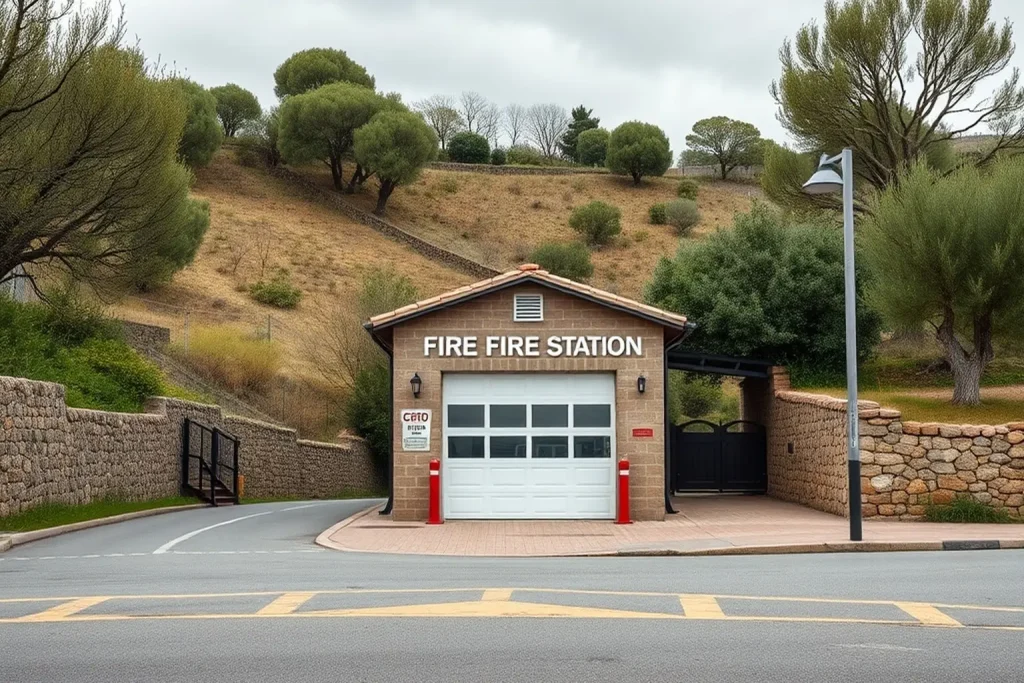
In remote corners of Galicia, fire brigades rely on neighbours who answer the call without expecting payment. The shortage of new recruits has become a silent threat for many mountain communities, where limited resources and geographic isolation demand a constant flow of willing hands. Recent data from the regional emergency network shows that many stations struggle to maintain the minimum staffing needed for rapid response, prompting local authorities to search for sustainable solutions. Experts point out that the ageing profile of current volunteers makes the future of these services uncertain, especially when younger residents often move to urban centres for education and work. The situation raises questions about how rural safety can be preserved when the pool of volunteers dwindles year after year.
A multigenerational commitment: the Quintairos example
Among the few families that defy this trend is the Quintairos clan from Xinzo de Límia. Their involvement in emergency response spans four generations, a fact that has drawn attention from regional media. The oldest generation, represented by grandmother Concha, oversees training sessions while the youngest, children Anxo, Breo, Xilda and Lúa, already assist with basic drills. In the background stand the parents, Ana and Carlos, who also hold positions within the local brigade. This arrangement creates a self‑reinforcing cycle where experience is passed down daily, and the practical knowledge of fighting fires becomes a family tradition. The group comprises almost 20 agents and firefighters, a number that underscores the scale of their contribution to community safety.
The family’s participation is not limited to ceremonial roles. Concha, now in her seventies, leads equipment checks and coordinates logistics during larger incidents. The grandchildren help with communication tasks, learning radio protocols that older members once taught them. This hands‑on apprenticeship ensures that when senior volunteers retire, replacements are already familiar with local terrain, equipment and emergency procedures. The Quintairos’ story illustrates how a single household can sustain an entire station’s operational capacity, a rarity in today’s volunteer‑driven landscape.

Salado Golf & Beach Resort
Descubre la oportunidad de inversión más exclusiva del Caribe. Villas de lujo con retorno garantizado del 12% anual en Punta Cana.
¿Buscas alojamiento en Galicia?
Compara precios en hoteles y apartamentos
Ver en Hotels.com → PublicidadWhat this model means for community resilience
The impact of such family‑based volunteering extends beyond the immediate fire service. By keeping a full complement of trained personnel, the Xinzo station can respond to incidents with minimal delay, a factor that directly influences public safety outcomes. Residents report feeling more secure knowing that help arrives quickly, a perception that strengthens social cohesion. Moreover, the visibility of a multigenerational team serves as a powerful incentive for neighbouring families to consider similar paths, potentially creating a ripple effect that revitalises other struggling brigades across the region.
¿Necesitas hosting para tu web?
Hosting rápido y seguro en España desde 2,95€/mes. Soporte 24/7 en español.
Ver planes de hosting →Nevertheless, experts caution that relying on a single family, however dedicated, is not a long‑term strategy. The sustainability of emergency services depends on broader community engagement, supportive policies and adequate funding for training facilities. The Quintairos’ experience highlights the necessity of formal programmes that encourage knowledge transfer, especially in areas where traditional recruitment channels have faltered. Local authorities are beginning to explore partnerships with schools and youth organisations to capture interest before it dissipates, recognising that the future of rural fire protection may hinge on such initiatives.
Community leaders also stress that the model should be adapted rather than copied outright. Each brigade faces unique geographic and demographic challenges, and any replication must consider local realities, from terrain difficulty to population density. The Quintairos’ success, therefore, should.
Te puede interesar:
Imperial Perlas — Joyería y complementos
Albergue en Sarria — Camino de Santiago desde Sarria
Turismo de Galicia — Rutas, playas y gastronomía
¿Planeas visitar Galicia?
Encuentra hoteles, apartamentos y casas con las mejores ofertas
Buscar alojamiento en Hotels.comAcumula sellos · Consigue noches gratis
Publicidad